

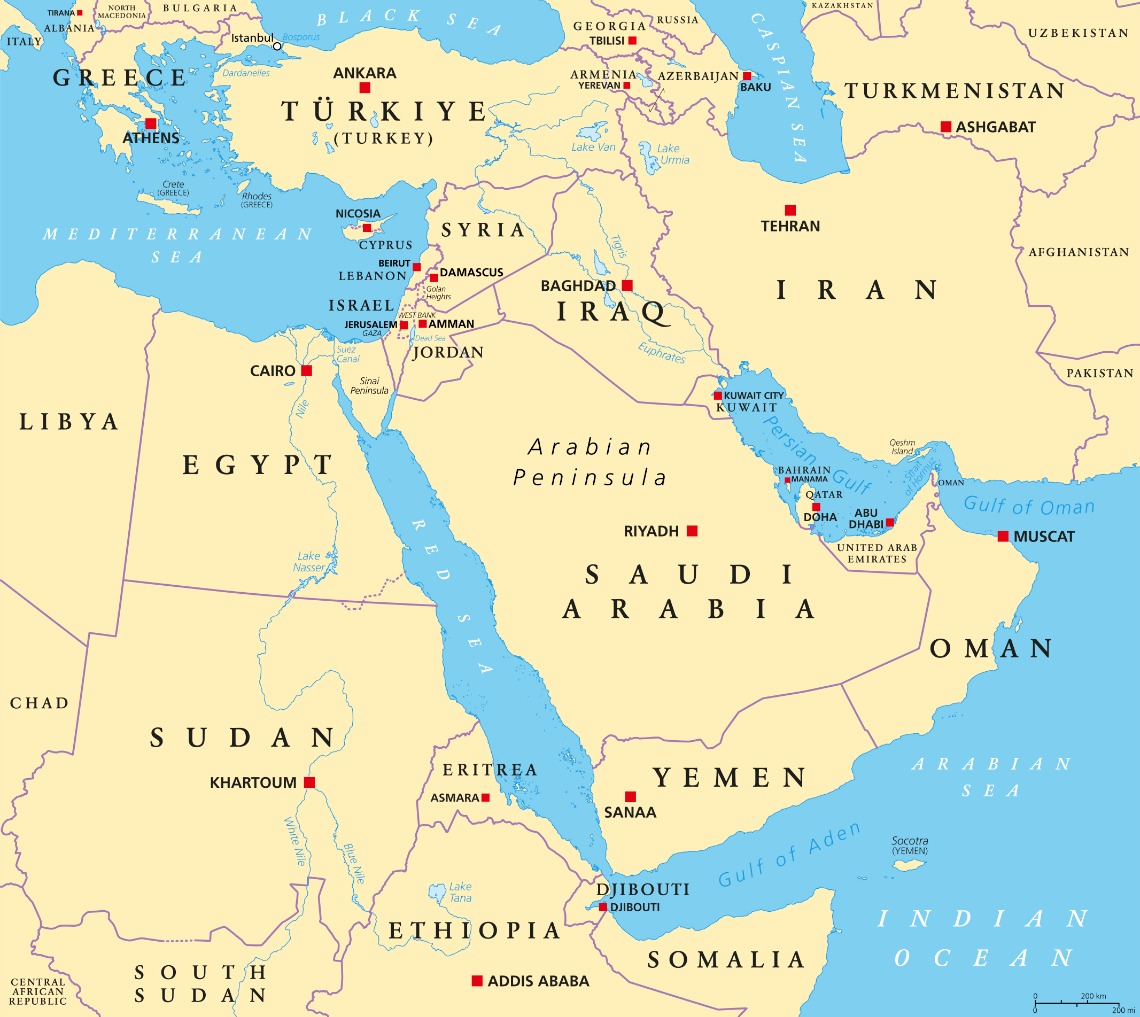
The current Geopolitical Escalation in the Middle East between the US/Israel and Iran is significantly increasing uncertainty across global financial markets. In such an environment, disciplined risk management remains our top priority.
Below, we provide an overview of our current positioning, our assessment of the situation, and our strategic approach in light of the Geopolitical Escalation in the Middle East.
Current Positioning (as of February 27, 2026)
Our portfolios are currently positioned with varying levels of market exposure:
| Portfolio | Investment Level | Liquidity |
|---|---|---|
| NextGenTec Portfolio | 2% | 98% |
| Innovation Portfolio | 20% | 80% |
| Green Tech ESG Equity Fund | 40% | 60% |
| Green Tech Portfolio | 60% | 40% |
| Hydrogen Portfolio | 83% | 17% |
The Hydrogen Portfolio currently shows the highest investment level and has achieved a year-to-date performance of +15%.
The overall elevated liquidity levels across several strategies reflect our cautious stance amid the Geopolitical Escalation in the Middle East.
Assessment of the Situation
In connection with the Geopolitical Escalation in the Middle East, we see several key risk factors:
-
A potential closure of the Strait of Hormuz with significant impact on energy prices and inflation
-
A prolonged military conflict affecting global economic growth
-
Escalation involving additional regional actors
-
Logistical risks on the US side due to limited preparation time
-
Ammunition and supply challenges in case of extended conflict duration
-
Increased volatility in commodity and currency markets
-
Rising market stress indicators and potential liquidity constraints
In addition, structural factors continue to weigh on markets:
-
The disruptive effects of artificial intelligence are pressuring business models, particularly in the software sector.
-
The unpredictable development of US trade policy is increasing planning uncertainty for companies and investors.
The combination of Geopolitical Escalation in the Middle East, structural AI-driven transformation, and trade policy uncertainty creates a demanding market environment characterized by elevated volatility.
Conclusion
The further development of the Geopolitical Escalation in the Middle East remains difficult to predict. In such an environment, capital preservation is our highest priority.
Our increased liquidity levels provide strategic flexibility. At the same time, we remain selectively invested where fundamentals, market confirmation, and risk profiles are compelling.
Our Approach
We continue to rely on our systematic momentum-based models. Investment decisions are disciplined, rule-based, and not driven by emotions.
This structured approach has proven effective across different market phases and allows us to manage risks while capitalizing on opportunities.
We are continuously monitoring developments related to the Geopolitical Escalation in the Middle East and will inform you promptly of any material changes in our positioning or assessment.
For further discussion, we remain at your disposal.
Daniel Brühwiler
If you would like to receive updates such as this directly and in a timely manner, subscribe to our Investment Update.